FINANCIAL TRANSLATION SUMMER CONFERENCE
Spiez, 1-3 July 2026
CONFERENCE
The language services ecosystem is changing. While headlines are dominated by AI, far less is being said about the need for linguists to embed themselves more deeply in their clients’ operations as expert voices rather than simply service providers.
The future for translators and interpreters will not be defined by clever prompting but by three things: subject-matter expertise, writing and communication acumen, and a solid business strategy – knowing where to find the clients who are looking for you, how to position your business, and how to price your services so that it remains financially viable.
In-house linguists are not exempt from these pressures: as organisations scrutinise every function for its return on investment, the ability to articulate and demonstrate your value from within has never been more important.
In short, we take AI-driven change as a given and focus instead on upskilling and sharpening business strategy. Over three days of presentations and workshops, you can work on your writing, develop your positioning, and connect with peers who understand the landscape. You’ll leave with refined skills and a clearer sense of where to take your business, whether that means sustaining what’s working or instilling it with fresh impetus.
Invest in your career. Invest in yourself.
PROGRAMME
Click to download the PDF file →
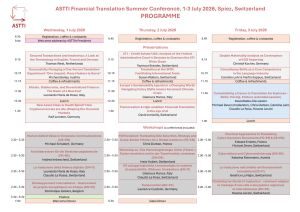
INTERACTIVE PROGRAMME
FINANCIAL TRANSLATION SUMMER CONFERENCE
SessionsPresentationsWorkshopsRound TablePostersLanguagesEnglishFrenchGermanItalianWEDNESDAY, 1 JULY 2026
THURSDAY, 2 JULY 2026
FRIDAY, 3 JULY 2026
Presentations
9.159.159.1510.1510.1510.1511.301.3011.301.3011.30Workshops
On Friday, workshops start at 2 pm, 30 minutes earlier.
2.30
to
5.302.30
to
5.30
2.00
to
5.00
2.30
to
5.30
2.30
to
5.30
2.00
to
2.00
2.30
to
5.30
2.30
to
5.30
2.00
to
5.00
2.30
to
5.30
2.30
to
5.30
2.00
to
5.00
5.30
to
6.30
ABSTRACTS
Click to download the PDF file →
Michael Bailey
Austria
Successfully Managing a One-Person Translation Department
“One Linguist, Many Masters to Serve”
Wednesday, 1 July, 10.15 a.m.
Language units in the (N)MT/GenAI era are shrinking and linguists with a classical translation degree are becoming scarcer as there is a shift towards language technologists rather than out-and-out translators. In-house positions still enjoy “safe haven” status compared with freelancer life, although conditions are changing rapidly. As a wave of translators retire, full-time positions are also being rationalised to fractional ones, or translation reduced to one component in a broader remit. In small- to medium-sized institutions, in-house responsibility for language services may fall on a single linguist.
In times of uncertainty, austerity, efficiency and economy drives, translation may seem a “quick win” for cost savings. Translators require clear strategies towards decision-makers to sell translation’s added value as a required outcome and to counter management's view of it merely being an expense. Translators need to communicate this in a way that management understands. The post-Covid “new work” era of hybrid and remote working and knock-on effects following the Great Resignation wave have also impacted translator visibility.
Amid the unrelenting advance of GenAI and its notorious deceptive fluency, tech bros and IT consultants talk non-linguists into believing that “translation has been solved.” Language services now face IT-led procurement decisions over tools and have no guaranteed place at the decision-making table. Despite all these challenges, strategies still exist for in-house translators, as experts in the lead, to thrive rather than survive – even when ploughing a lone furrow.
Teymour Brander
Switzerland
AT1 – Credit Suisse/UBS: Analysis of the Federal Administrative Court’s Decision to Overturn the AT1 Write-Down
Thursday, 2 July, 9.15 a.m.
On 19 March 2023, the Swiss Financial Market Supervisory Authority (FINMA) decided to write off Credit Suisse’s Additional Tier 1 capital instruments (AT1 bonds) with a nominal value of approximately CHF 16.5 billion. On 1 October 2025, the Swiss Federal Administrative Court (FAC) overturned FINMA’s decision (B-2334/2023). This decision sent shockwaves through Switzerland and abroad. The presentation aims to understand and analyse the FAC’s decision.
Laurence Cuzzolin
Germany
Transcréation (DE>FR)
Thursday, 2 July, 2.30-5.30 p.m.
Dans cet atelier, nous nous intéresserons à la transcréation au sens large, de la traduction-adaptation de textes « simplement à traduire » à la création de contenus en français pour le compte de PME germanophones. Une façon de réfléchir, suivant une approche aussi positive que concrète, aux possibilités qui s’offrent à nous alors que notre métier connaît un profond bouleversement.
Leonardo Maria
de Rossi
Italy
Bitcoin, Stablecoins, and Decentralised Finance: The Dawn of a New Era?
Wednesday, 1 July, 11.30 a.m.
The rapid evolution of digital assets is reshaping the global financial landscape. Bitcoin has challenged traditional notions of money by introducing a decentralised, censorship-resistant alternative, while stablecoins aim to bridge the gap between crypto-assets and conventional currencies by offering price stability and programmability. At the same time, decentralised finance (DeFi) is experimenting with new financial infrastructures that operate without central intermediaries. This webinar explores whether the convergence of Bitcoin, stablecoins, and DeFi represents the early stages of a genuinely new financial era or rather an incremental transformation of existing systems. By analysing technological foundations, economic implications, and regulatory challenges, the presentation aims to assess the potential long-term impact of these innovations on payments, financial intermediation, and monetary sovereignty.
Leonardo Maria
De Rossi
Claudio La Rosa
Italy
Switzerland
La traduzione della finanza digitale (EN>IT)
Wednesday, 1 July, 2.30-5.30 p.m.
L’obiettivo di questo workshop è familiarizzare i partecipanti con i principali concetti e termini della finanza digitale. Si partirà da esempi concreti di testi reali sull’argomento che potrebbero essere fonte di difficoltà di comprensione e di traduzione, per poi fornire una panoramica di temi quali il fintech, la blockchain, la decentralizzazione, le criptovalute, il mining, gli smart contract, le stablecoin, l’euro digitale. I partecipanti saranno incoraggiati a intervenire e potranno beneficiare delle competenze dei due docenti per tutte le loro domande. Sebbene la combinazione di riferimento sia inglese-italiano il workshop è aperto a tutti i traduttori italofoni interessati.
Chris Durban
France
FDI Revisited: Translating Site Selection, Strategy and Cross-Border Pitches for a Global Audience (FR>EN)
Thursday, 2 July, 2.30-5.30 p.m.
Foreign direct investment (FDI) sits at the intersection of finance, law, corporate strategy and public policy — a complex ecosystem that relies on host regions communicating effectively with investors.
Building on earlier UETF presentations, this session offers an updated and expanded look at the translation challenges posed by FDI-related texts in today’s turbulent investment environment.
Documents typically span a wide range of genres, from acquisition announcements and valuation reports to regulatory filings and investment promotion materials. Translators must navigate shifting registers and intricate institutional contexts, often through creative adaptation that speaks to investors across languages and cultures.
We’ll examine site selection narratives in particular: how French regional development authorities craft and refine their pitches, highlighting strategic strengths to appeal to specific investor profiles. And to illustrate the practical decisions required for this very demanding international audience: two case studies drawn from recent FDI assignments.
Edward Errante
Michael Dever
France
Switzerland
Practical Approaches to Translating Cyber Insurance Documents (FR>EN & DE>EN)
Friday, 3 July, 2.30-5.30 p.m.
This interactive workshop, co-facilitated by Edward Errante and Michael Dever, focuses on the translation of insurance documents addressing cyber risk. Following a brief overview of the types of events typically encompassed by cyber risk coverage, participants will work in language-specific groups (French–English or German–English) to translate selected excerpts from authentic insurance policies and other insurance materials. The workshop will conclude with a plenary session in which groups present and discuss their translation choices, terminology challenges, and drafting strategies.
Anna Hubert
Switzerland
Die Marketingstrategie hinter (Finanz-)Texten verstehen und in der Transkreation umsetzen (EN>DE)
Thursday, 2 July, 2.30-5.30 p.m.
Wörtliche Übersetzungen reichen bei Marketingtexten selten aus – das wissen professionelle Übersetzer:innen längst. Doch neben der kulturellen Anpassung spielt oft noch eine weitere Ebene eine Rolle: die Marketingstrategie hinter einem Text. In diesem Workshop schauen wir uns unter anderem an, wie ein Briefing dabei hilft, einen Text und seine Hauptbotschaft für ein neues Zielpublikum anzupassen. Die Teilnehmenden erhalten dann ein solches Briefing, um einen Blogartikel einer Bank aus dem (US-)Englischen ins Deutsche für den Schweizer Markt zu übersetzen/transkreieren. Im Anschluss diskutieren wir mögliche Lösungen. Ziel ist es, ein besseres Verständnis dafür zu entwickeln, welche strategischen Entscheidungen hinter scheinbar kleinen Textanpassungen stehen.
Andrea Imbescheid
Switzerland
Fachübersetzen für die Versicherungsbranche (FR>DE)
Wednesday, 1 July, 2.30-5.30 p.m.
Banken und Versicherungen sind zwei wichtige Säulen der Schweizer Wirtschaft, die jeweils unterschiedliche Funktionen erfüllen. Der Workshop gibt den Teilnehmenden einen Einblick in die Versicherungswelt. Wir analysieren und bearbeiten gemeinsam verschiedene versicherungstypische Textsorten, gehen auf die branchenspezifische Terminologie ein, betrachten die wichtigsten Kennzahlen und streifen das Thema Transkreation. Der Workshop richtet sich vor allem an Übersetzerinnen und Übersetzer, die vom Französischen ins Deutsche arbeiten.
Roxane Jacobi
Switzerland
Marketing territorial et traduction : comment adapter le message d’une ville à des publics régionaux et internationaux (DE>FR)
Friday, 3 July, 2.30-5.30 p.m.
Bienne – ville bilingue – doit savoir parler à des publics très variés : investisseurs internationaux, familles en quête de qualité de vie, partenaires régionaux ou nouveaux citoyens d’ici et d’ailleurs. Mais comment traduire cette identité multiple sans la dénaturer ? Dans cet atelier pratique, nous analyserons comment adapter le ton, le style et la terminologie selon que l’on s’adresse aux personnes morales (industrie, innovation) ou physiques (accueil, intégration). À partir d’extraits de documents promotionnels, les participants et participantes travailleront en groupes sur des traductions vers le français. Nous comparerons ensuite les rendus pour identifier les meilleures stratégies pour « vendre » une ville sans la trahir. Les supports seront fournis sur place.
David Jemielity
Switzerland
Transcreation & High-ambition Financial Translation in the Age of AI
Thursday, 2 July, 1.30 p.m.
Is “transcreation” even, like, an actual thing?
Is it materially different from just doing translation right, i.e., making the adjustments all good translators make so the target-language content works as writing?
Is there any more to the term “transcreation” than just a trendy marketing label that some of us are now throwing around a lot because we’re afraid of AI?
Can you use the term “transcreation” with regard to content that’s not ad copy?
The speaker, who runs the in-house multilingual communications team at BCV and teaches transcreation and multilingual marketing at the University of Geneva, will help us sort through some of these questions, with examples ranging from a 17th-Century English poet’s “imitations” of Horace’s Latin Odes to contemporary multilingual bank marketing material where his own BCV colleagues frequently blur the lines between translating content and creating it.
Dominique Jonkers
Belgium
Développement international – financement de projets énergétiques en Afrique (EN>FR)
Wednesday, 1 July, 2.30-5.30 p.m.
Atelier interactif en deux volets :
- Envoi aux participants, une dizaine de jours avant la formation, d’un texte d’environ 500 mots à traduire et me renvoyer. Analyse comparée en présentiel.
L’objectif : vérifier la bonne compréhension des notions techniques abordées ET leur restitution, dans un style aussi fluide, idiomatique et lisible que possible. Comparaison des différentes versions, élément par élément, en soulignant les bonnes… et peut-être les mauvaises idées. Dans la bonne humeur et dans un esprit d’apprentissage concret. - Remise aux participants, sur place, d’un deuxième texte (250-300 mots) à traduire en groupe. Analyse et discussion de groupe des résultats obtenus.
Caroline Lehr
Martin Kappus
Switzerland
Consultancy Skills as a Core Competence in the Language Industry
Friday, 3 July, 10.15 a.m.
As the language industry evolves beyond traditional translation and interpreting, consulting has become an essential component of its development. Language service providers, freelancers, and organizations increasingly rely on consulting to navigate technological advancements, optimize workflows, and expand into global markets. From advising on AI-driven translation tools to developing multilingual communication strategies, consultants play a pivotal role in shaping the industry’s future.
This presentation will explore the factors driving the rise of consulting in the language sector, including the impact of automation, client expectations, and the need for specialized expertise. Attendees will gain insights into the skills required for language consultants and the potential career opportunities in this expanding field. We will explain why these competencies are becoming essential, how they enhance the value of linguistic expertise, and which core skills language consultants need to effectively support clients in selecting appropriate language services and assessing the benefits, risks, and practical implications of AI-driven solutions.
Christof Kocher
Germany
Double Materiality Analysis as Centrepiece of ESG Reporting
Friday, 3 July, 9.15 a.m.
For many European companies, conducting a Double Materiality Analysis (DMA) in accordance with the European Sustainability Reporting Standards (ESRS) is at the heart of their sustainability reporting.
This still applies after the introduction of simplified reporting requirements at the end of 2025 (so-called ‘Omnibus’ initiatives). Although the ‘Omnibus’ and ‘Stop the clock’ packages led to a significant increase in the CSRD threshold values, and a streamlining of reporting requirements under ESRS, the requirements for a complete DMA remain high.
In his presentation, Christof Kocher draws on his extensive experience in implementing sustainability reporting processes at companies subject to CSRD reporting requirements. He addresses the greatest challenges that arise in the context of DMAs and ESRS reporting. Furthermore, he addresses terminological challenges and sketches potential solutions for translators. Finally, there will be time for discussion and sharing experiences.
Ralf Lemster
Germany
New Asset Class or Death Spiral? How Cryptocurrencies are (Re-)Shaping the Financial Markets
Wednesday, 1 July, 1.30 p.m.
Bitcoin keeps hitting new records (first in terms of price, more recently in terms of volatility…). Cryptocurrencies have been in the spotlight – not only for speculators, but also for institutional investors. So is this really a new asset class – a store of value – or a bubble about to burst?
This presentation is not about forecasting where B$ is likely to trade in three months’ time (or even tomorrow). But we will look at the key concepts, the technology involved, and some practical use cases for crypto. And of course, we’ll touch upon the challenges for translators.
Béatrice Lo Nigro
Switzerland
La traduzione nell’ambito dei finanziamenti immobiliari (DE>IT)
Friday, 3 July, 2.30-5.30 p.m.
Gianluca Manca
Italy
Europe’s Sustainability Agenda in a Changing World: Navigating Policy Shifts Amid a Persistent Climate Crisis
Friday, 3 July, 2.30-5.30 p.m.
Europe’s sustainability agenda is being reshaped by a geopolitical landscape that is evolving faster than at any time since the launch of the European Green Deal. International developments are altering political priorities, regulatory ambition and the pace of implementation across the EU’s transition policies. Yet while the global political environment has shifted, the scientific reality has not: climate change continues to intensify, and its social, economic and humanitarian consequences remain a defining challenge for societies worldwide.
This presentation examines how Europe’s sustainability framework is adapting to this new context. It explores the recalibration of transition policies, the adjustments to reporting and transparency requirements, and the evolving approach to defining sustainable economic activities. It also considers how Europe is repositioning itself within a global system where climate risks are escalating but political consensus is fragmenting. A further focus of the session is the different trajectory of sustainable finance in the United States and Europe. Over the past year, several major US asset managers have withdrawn from or reduced participation in Climate Action 100+. Moreover, some of the major U.S. tech firms are actively dismantling or reducing Diversity, Equity, and Inclusion programs, while US lawmakers have directly questioned financial institutions about their climate‑engagement decisions, underscoring the intensity of the domestic debate.
In contrast, European fund houses continue to operate within a regulatory environment that embeds sustainability into reporting, risk management and product governance. However, the recent Omnibus Directive and the ongoing SFDR revision have collectively reduced the reach, clarity and transformative power of the EU’s sustainability rulebook, signalling a shift from expansion to consolidation. The presentation assesses whether these pressures, both internal and external, are beginning to influence European strategies, or whether Europe is consolidating a distinct path in sustainable finance as the United States moves in a different direction on ESG, climate engagement and diversity and inclusion policies.
By connecting these regulatory, geopolitical and market dynamics, the presentation highlights how Europe’s sustainability agenda is being redefined not only by policy choices, but also by the evolving behaviour of global capital in a world where climate risks remain acute and political consensus is increasingly fractured.
Gianluca Manca
Claudio La Rosa
Italy
Switzerland
Gli sviluppi legislativi e terminologici in materia di sostenibilità. Sfide per il traduttore (EN>IT)
Thursday, 2 July, 2.30-5.30 p.m.
In questo workshop, che seguirà la presentazione mattutina di Gianluca Manca (EBF e Università Bocconi) intitolata “Europe’s sustainability agenda in a changing world: navigating policy shifts amid a persistent climate crisis”, si partirà sia dalla stessa presentazione in inglese sia da alcuni testi sull’argomento e si amplierà la panoramica ai principali temi di interesse per i traduttori. Si affronterà il concetto di investimento ESG e i vari temi ad esso collegati. Tra questi i Principi per l’investimento responsabile, gli Obiettivi di sviluppo sostenibile, l’Accordo di Parigi, il Piano d’azione UE per la finanza sostenibile e il Green Deal, la Tassonomia e il Regolamento SFDR. Saranno affrontati anche concetti quali lo screening, l’investimento tematico, l’impact investing, l’azionariato attivo ecc. Sebbene la combinazione di riferimento sia inglese-italiano il workshop è aperto a tutti i traduttori italofoni interessati, che saranno incoraggiati a partecipare attivamente e potranno beneficiare dell’esperienza e delle conoscenze dei due docenti.
Katarina Rohsmann
Germany
Cyberrisiken und Cyberversicherung (EN>DE)
Friday, 3 July, 2.30-5.30 p.m.
Cyberrisiken werden von vielen Unternehmen als wichtigstes Geschäftsrisiko angesehen. Sie nehmen weltweit rasant zu und haben ein enormes Schadenspotenzial. In diesem Workshop beschäftigen wir uns mit rechtlichen und wirtschaftlichen Aspekten von Cyberkriminalität. Unter anderem werden wir uns mit folgenden Fragen befassen: Welchen Verpflichtungen – von der Prävention bis zur Meldung von Sicherheitsvorfällen – unterliegen Unternehmen in Zusammenhang mit Cyberkriminalität? Welche Delikte fallen in der DACH-Region unter diesen Oberbegriff und warum scheitert die Strafverfolgung in den meisten Fällen? Welchen Schutz bieten Cyberversicherungen und was bedeuten die Klauseln in den Versicherungsverträgen konkret? Anhand praktischer Beispiele vollziehen wir nach, mit welchen Methoden kriminelle Erpressergruppen arbeiten. Im praktischen Teil des Workshops übersetzen wir in Kleingruppen ausgewählte Texte und diskutieren die Ergebnisse. Es stehen mehrere englische und deutsche Texte zum Thema Cyberkriminalität und Cyberversicherungen zur Auswahl. Neben Übersetzer*innen EN<>DE sind auch alle willkommen, die aus dem Deutschen in andere Sprachen übersetzen.
Neben den Übersetzer*innen EN<>DE sind auch alle Personnen, die aus dem Deutschen in andere Sprachen übersetzen, willkommen.
Michael Schubert
Germany
Human Added Value in Corporate Communications (DE>EN)
Wednesday, 1 July, 2.30-5.30 p.m.
Today more than ever, successful and mutually rewarding client–translator relationships require translators to possess and demonstrate genuine subject-matter expertise, solid writing skills, and the capacity to watch over and align their clients’ corporate communications across multiple languages.
How can we demonstrate these qualities in our daily interactions with clients and potential clients? How can we apply our bilingual expertise to enhance source-language texts and produce superior target-language texts that will resonate in their respective markets? Join us for this interactive workshop!
Susan Walters
Switzerland
Translation at the WTO: Facilitating International Trade
Thursday, 2 July, 10.15 a.m.
Starting with a brief overview of the work of the WTO, we will then look at the role of language services in the implementation of the Organization’s political mandates, issued by its Member States. We will cover the full range of documentation processed by WTO translators, focusing in particular on reports related to financial or economic matters.
Thomas West
Netherlands
Secured Transactions and Insolvency: A Look at the Terminology in English, French and German
Wednesday, 1 July, 9.15 a.m.
In this presentation, we will consider the ways transactions are secured to protect the creditor if the debtor becomes insolvent and then look at the terminology of insolvency in English, French and German. We will comment briefly on the terms used in France, Germany and the UK and then focus on the terminology of insolvency in Swiss law in French and German, with an emphasis on the venerable Bundesgesetz über Schuldbetreibung und Konkurs (SchKG) / Loi fédérale sur la poursuite pour dettes et la faillite (LP), the original version of which dates to 1889 but is still in force (with amendments) today. Attendees should gain a better understanding of how insolvency law works and how the terminology varies from one jurisdiction to another.
Round Table
Michael Dever (moderator)
Chris Durban,
Caroline Lehr,
Claudio La Rosa,
Roxane Jacobi
Consolidating a Career in Translation for Business – Skills, Pricing, Posture
Friday, 3 July, 11.30 a.m.
This round-table discussion will serve as the culmination of our three days together, building on what we have learned from fellow staff and freelance linguists about how they operate in their day-to-day work, both through their talks and through our networking with peers during the conference.
Today, labelling oneself merely as a translator (or a “wordsmith”, or someone who is “passionate about languages”, or who “loves playing with words” – yikes!) will leave most potential clients cold. As management guru Peter Drucker once said: “Customers pay only for what is of use to them and gives them value.” That value needs to be something they can reach out and grasp.
So how do we make our business proposition, pricing and mindset future-ready? How do we make the leap from hermit behind a computer to service-minded language professional, finely attuned to clients’ needs? Or as a staff translator, how to do we demonstrate our value to our superiors so that when budgeting time comes around, language services do not find themselves at the low end of the totem pole?
Come with your questions. Come ready to be challenged.
EXPERTS
Click to download the PDF file →
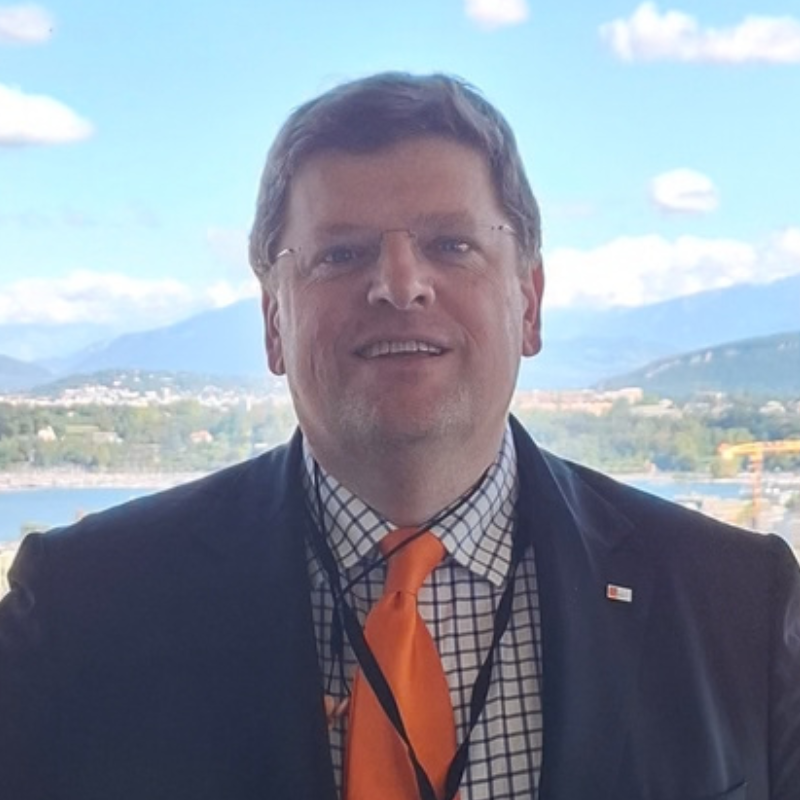
MICHAEL BAILEY
Michael Bailey is an experienced (Austrian) German to (British) English financial market supervision translator (German-English) at the Austrian Financial Market Authority in Vienna, where he is embedded directly in the Horizontal Banking Supervision Division, and has been the only in-house linguist at the FMA since 2014. In the age of NMT and GenAI, he champions the need for the continuing necessity of human Experts in the Lead (XITL) in the age of human-machine translation, highlighting the need for subject matter expertise combined with linguistic rigour.
In addition to being a member of various working groups on translation and terminology in relation to financial market supervision and public administration, he has been a Member of the Steering Committee of the European Trados User Group (ETUG) since 2021. He is a Member and Chartered Linguist of the Chartered Institute of Linguists and Universitas and a regular presenter and panellist at conferences within Europe. He holds a degree in Modern Languages (German and French) from the University of St Andrews in Scotland. He also writes a semi-regular personal translation blog “In-house translation – outside the box” at www.transl8r.eu.
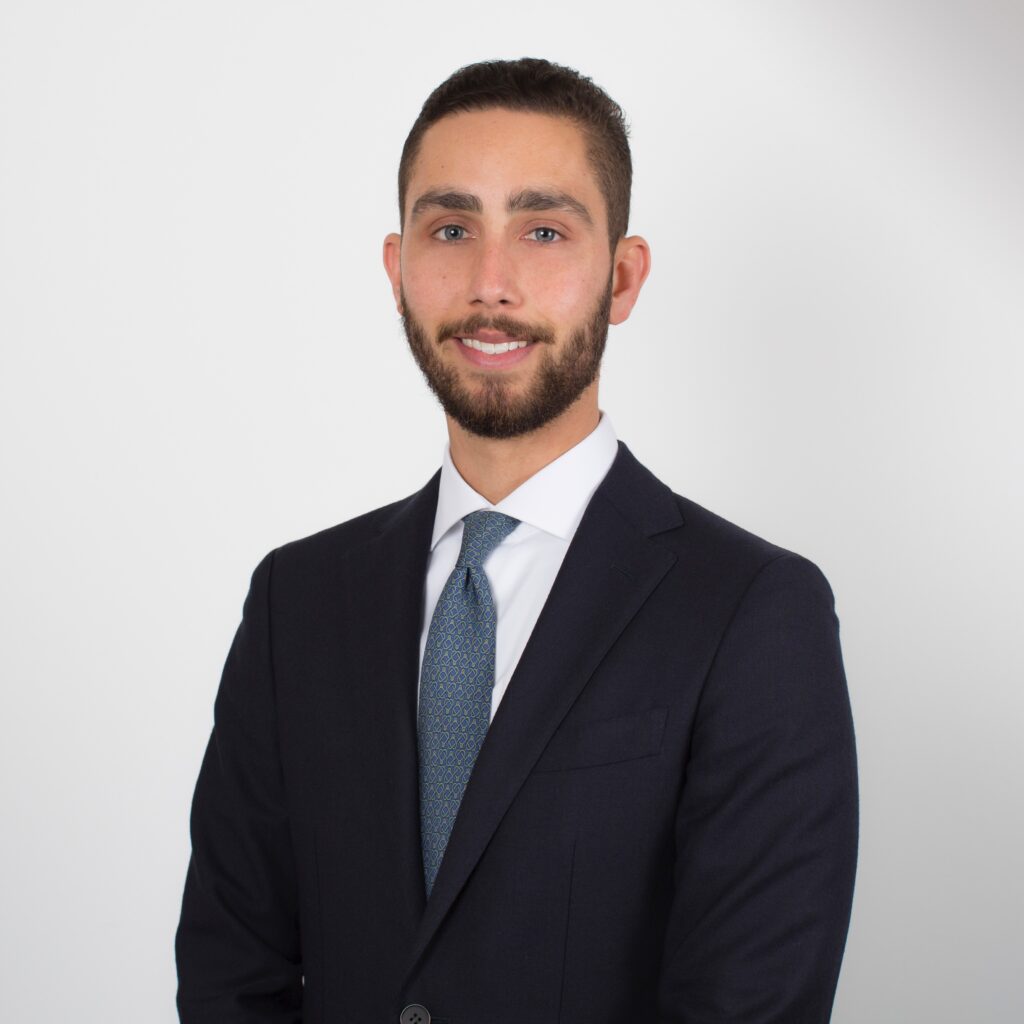
TEYMOUR BRANDER
Teymour Brander travaille en tant qu’assistant de recherche et d’enseignement au sein du Centre de droit bancaire et financier. Il rédige une thèse de doctorat portant sur le droit des sociétés et la transition climatique. Ses recherches se concentrent sur les implications juridiques liées à la durabilité dans les domaines du droit des sociétés et des marchés bancaires et financiers.
Teymour Brander est titulaire du brevet d’avocat, ainsi que d’un Bachelor et un Master en droit de l’Université de Genève.
LAURENCE CUZZOLIN
Née dans un environnement franco-italo-allemand (mais pas en Suisse !), Laurence Cuzzolin a grandi avec la volonté, voire l’auto-assignation, de faciliter la communication en contexte familial, par-delà les cultures, les classes et les métiers.
Pendant vingt ans, Trado Verso aura été son aventure parisienne de la coopérative de traduction. Au programme : la traduction ultra-exigeante, avec relecture croisée, de contenus technico-rédactionnels – j’ai adoré traduire les magazines corporate ! –, entre communication institutionnelle (beaucoup en développement agricole et production halieutique pour l’OCDE et la FAO) et communication d’entreprise (en éclairage architectural, contrôle aérien et transports, ou encore tourisme).
Installée dans la ville hanséatique de Brême depuis 2020, Laurence exerce aujourd’hui à son compte, toujours volontiers en équipe. Ses domaines de prédilection comptent l’environnement, le développement durable et la RSE, certification de l’Institut supérieur de l’environnement à l’appui en matière de rapport extra-financier (CSRD, VSME, Taxonomie). Sa plume reste viscéralement portée sur le marketing.
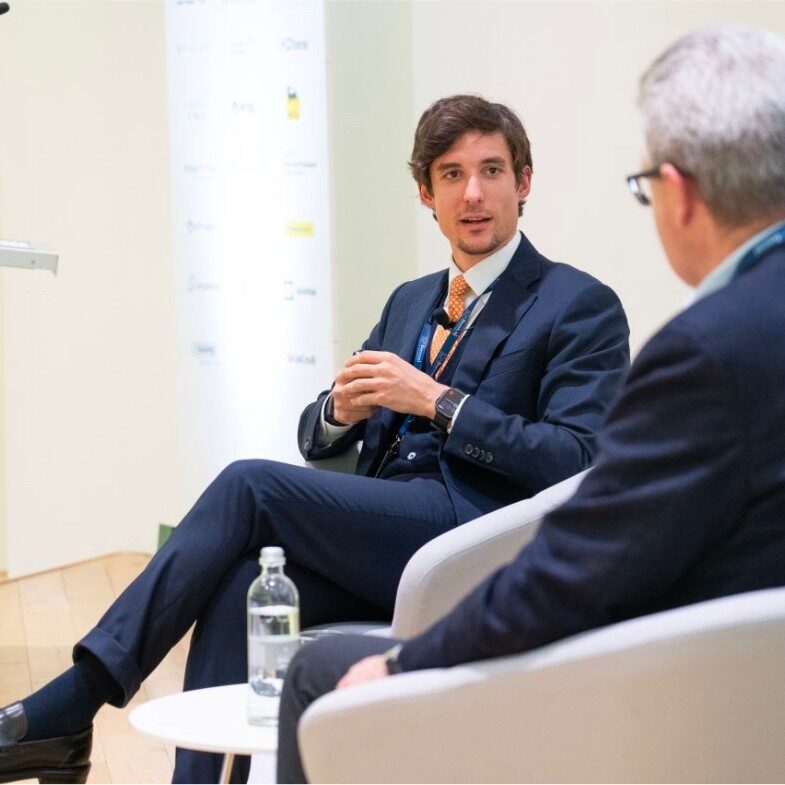
LEONARDO MARIA DE ROSSI
Leonardo De Rossi is an Assistant Professor of Practice at SDA Bocconi and Università Bocconi, where he teaches courses on blockchain and Bitcoin and leads related research initiatives. He also directs executive education programs in fintech and blockchain, with a strong focus on financial services.
His work centres on the applications of Bitcoin and crypto assets. He has coordinated multiple international research projects and is the author of numerous books and articles on Bitcoin, AI, and open banking.
He has been recognised for his work on several occasions, including teaching awards for excellence at Bocconi in 2018 and 2025.
De Rossi holds a PhD from Copenhagen Business School focused on Bitcoin, along with degrees from Bocconi and Ca’ Foscari, and executive certifications from Oxford and MIT.
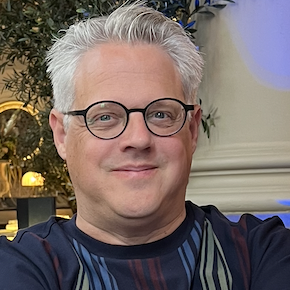
MICHAEL DEVER
Michael Dever has been translating (and occasionally interpreting) since 1998. He specialised in finance by a happy accident and hasn’t looked back. He spent eight years as a staff translator at an investment bank in Paris before starting his own business in Switzerland.
His clients include banks of all kinds, from cantonal banks to wealth managers and commodity trade financiers, insurers, investor relations officers and communications departments.
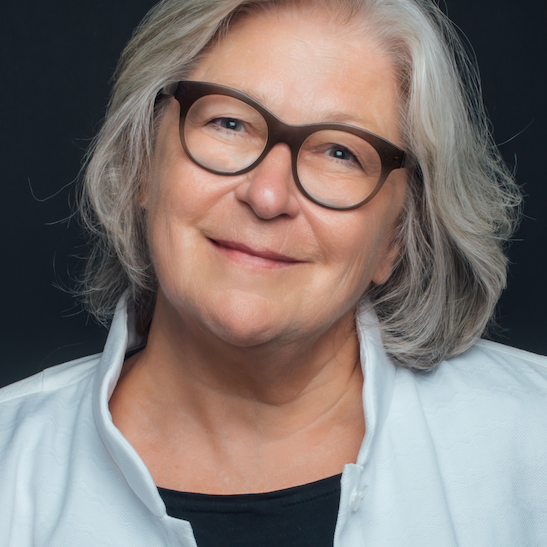
CHRIS DURBAN
Chris Durban is a freelance translator (French to English) based in Paris, where she specializes in publication-level texts for demanding clients.
Over the years, her client portfolio has included some of Europe’s top corporations as well as regulatory and regional development agencies. Her work focuses on high-profile, high-visibility and high-risk situations in business strategy, investor relations and financial/corporate communications.
A longstanding member of SFT (France) and a Fellow of ITI (UK), Chris is also a co-founder and co-organizer of SFT’s summer school for financial translator (UETF), as well as the Translate in… series of seminars for translators keen to hone their writing skills—held over the years in upstate New York, Quebec, Chantilly, Cambridge and Charlevoix, with an online edition during Covid.
Chris has written many articles about translation, targeting both peers and clients, and has given talks and workshops around the world. She is co-author of two books: The Prosperous Translator and 101 Things a Translator Needs to Know. She is a former board member and president of SFT and also served on the board of ATA (USA).
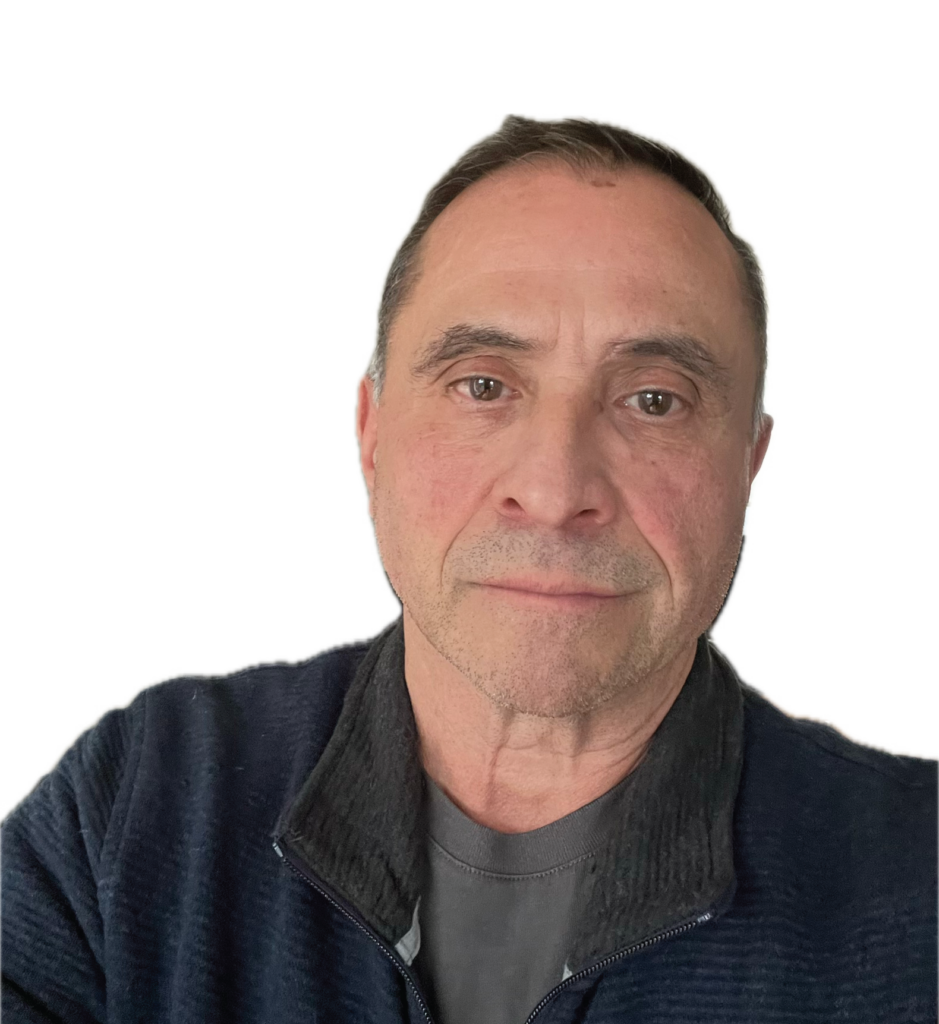
EDWARD ERRANTE
Edward Errante earned his law degree from the University of California, Berkeley, and practiced in San Francisco before joining Université de Paris as a lecturer in U.S. and English law, where he taught for over 30 years. Since 2002, he has also worked as a freelance legal and financial translator (FR>EN, ES>EN).
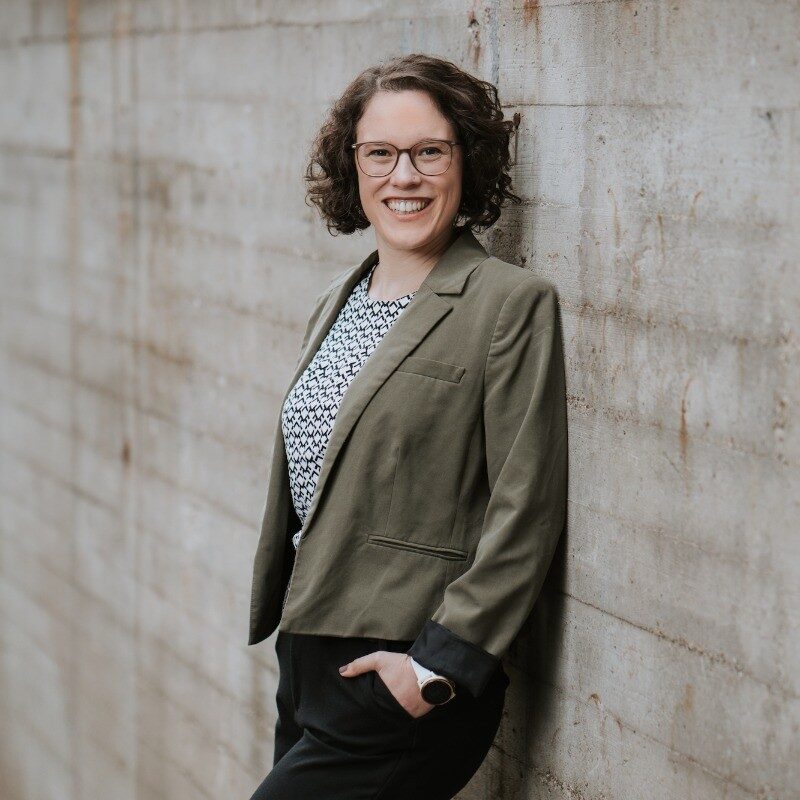
ANNA HUBERT
Anna Hubert ist ausgebildete Übersetzerin (BA) und Konferenzdolmetscherin (MA) mit Weiterbildung zur zertifizierten Werbetexterin. Seit 2017 arbeitet sie als selbstständige Dolmetscherin, Übersetzerin, Lektorin sowie (SEO-)Texterin (seit 2023 als Einzelfirma Hubert Language & Communication). Zudem ist sie seit etwas mehr als zwei Jahren als Content Marketing Consultant bei der Zürcher SEO- & LLMO-Agentur Digital Leverage tätig. Im ASTTI bekleidet sie seit 2023 das Amt der Kommunikationsbeauftragten des Vorstands.
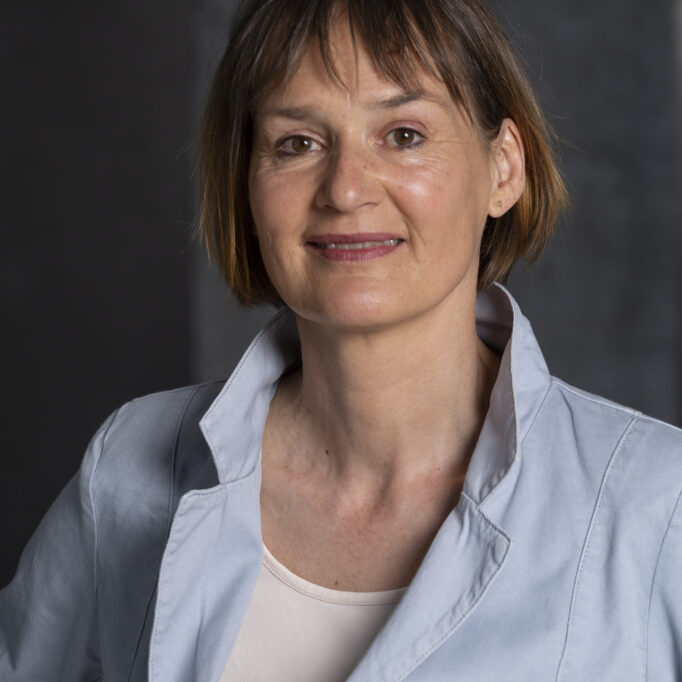
ANDREA IMBESCHEID
Before Andrea Imbescheid turned her passion for languages into a career, she worked for many years in international marketing for consumer goods (Wella AG, Procter & Gamble). In 2017, she completed a master's degree in specialised translation at the Faculté de Traduction et Interprétation at the University of Geneva. Building on her marketing expertise, her master's thesis focused on transcreation. She has been offering workshops and seminars on transcreation since 2018. Andrea Imbescheid currently works in the Language Competence Centre at Vaudoise Insurance in Lausanne where she acquired additional expertise in the insurance sector. Originally from Germany, she has been living in Geneva since 2004.
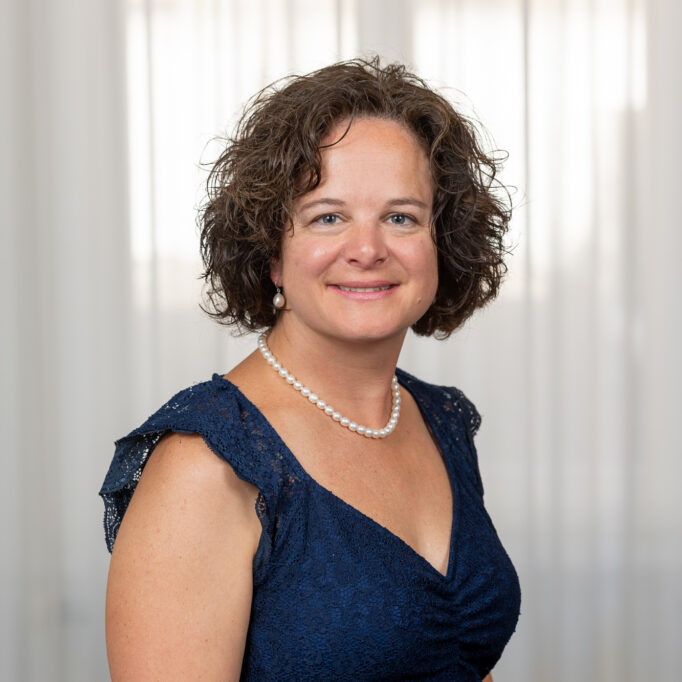
ROXANE JACOBI
Roxane Jacobi est responsable des Services linguistiques centraux de la Ville de Bienne depuis 2021, après y avoir œuvré comme traductrice et responsable suppléante pendant plus de dix ans. Auparavant, elle a acquis une solide expérience au sein du Département fédéral des finances (DFF), où elle a travaillé plusieurs années comme traductrice, en particulier pour l’Office fédéral du personnel et l’Administration fédérale des douanes.
Traductrice indépendante (allemand->français) depuis 2006, elle possède une expertise particulière dans la traduction de textes juridiques, financiers et administratifs suisses. Titulaire d’une licence en lettres (latin, allemand, histoire) de l’Université de Neuchâtel, elle a enseigné ces disciplines quelques années avant de se lancer dans la traduction, son métier de cœur.
Engagée dans la vie associative de sa profession, elle a présidé l’Association suisse de traduction, de terminologie et d’interprétation (ASTTI) de 2019 à 2024, après en avoir été la vice-présidente pendant trois ans.
DAVID JEMIELITY
David Jemielity is Senior English Translator, Head of Translations and Vice President at Banque Cantonale Vaudoise (BCV) in Lausanne, Switzerland. He also sits on the bank’s comité éditorial, which sets communications and brand-identity policy across all languages and ensures it is implemented in BCV’s advertising and other public content. From 2014 to 2023 Dave was creative/editorial lead and overall project lead for the bank’s French-language brand identity campaign, and since 2024 has been leading a project centered on new AI technologies and multilingual communications.
When he’s not at the bank Dave can often be found in a classroom at FTI-University of Geneva, where he is a tenured lecturer in French>English financial translation, transcreation and multilingual communications business processes.
Dave has written and spoken widely on translation and multilingual communication, including a long overview of translation in business and finance contexts that appeared in the Routledge Handbook of Translation and Culture (2018). He has been Keynote Speaker at the European Commission’s TEF Conference and the Mediterranean Translators and Editors annual METM conference, and Distinguished Speaker at the American Translators Association annual conference. Dave grew up in Indiana and studied English and philosophy at Amherst College and Oxford University, as well as brand communications at Northwestern Kellogg Business School.
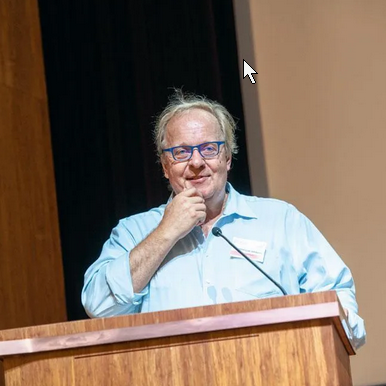
DOMINIQUE JONKERS
Dominique Jonkers est depuis 1997 traducteur indépendant (anglais et néerlandais > français) et gérant du cabinet Jonkers & Partners, un cabinet de traduction spécialisé dans la communication économique et financière haut de gamme. Son diplôme en administration des affaires l’amène d’abord, pendant une quinzaine d’années, dans le secteur de la banque d’entreprise. Il se consacre ensuite (dès 1997) à la traduction — quelque peu en pionnier, puisqu’il s’écarte résolument du modèle « généraliste », refusant dès avant l’an 2000 toute mission sans lien avec sa spécialisation – une approche peu courante, à l’époque.
Néerlandophone, mais élevé en Belgique francophone, il met à profit sa double culture pour accompagner institutions financières, entreprises et organisations internationales dans leur communication stratégique. Il combine une solide compréhension du monde de l’économie et de la finance avec une attention soutenue pour la clarté du message, convaincu que la maîtrise du sujet reste la première condition d’une écriture limpide.
Dominique intervient régulièrement comme formateur et orateur lors de séminaires et ateliers, où il plaide pour un positionnement du traducteur en véritable « consultant linguistique ». Son intérêt pour la traduction d’édition (quatre ouvrages traduits) lui a valu d’être en 2011 le lauréat du prix Pierre-François Caillé de la Société française des traducteurs.
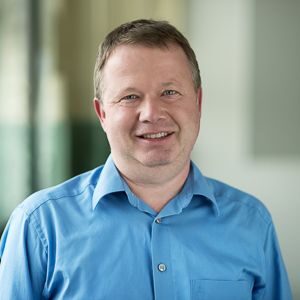
MARTIN KAPPUS
Dr. Martin Kappus ist seit über 15 Jahren Dozent und seit 2 Jahren Leiter (ad Interim) der Professur Barrierefreie Kommunikation am Institut für Mehrsprachige Kommunikation der Zürcher Hochschule für Angewandte Wissenschaften (ZHAW). Vor seiner Zeit an der ZHAW arbeitete er für einen CAT-Tool-Hersteller und einen grossen Sprachdienstleister. Seine Forschungs- und Lehrinteressen sind Sprach- und Übersetzungstechnologie sowie Barriere Kommunikation. Ausserdem macht Martin Kappus seit 5 Jahren Live-Audiodeskriptionen im Bereich Fussball.
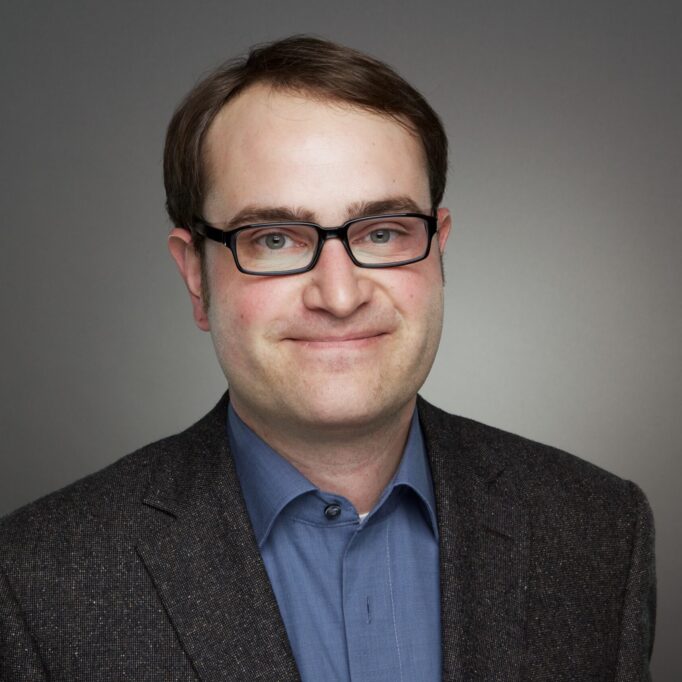
CHRISTOF KOCHER
Kocher Christof holds a Master of Business Administration (MBA) degree and is a certified translator. During his studies, he specialized in corporate accounting and the processes involved in preparing financial statements. After holding several positions in Germany and abroad, he worked as an independent management consultant specializing in corporate reporting and technical translation of annual reports.
In particular, he specializes in the multilingual preparation of notes to the financial statements in accordance with IFRSs and the standard-compliant formulation of management reports.
Since mid-2024, he has been working as a manager in the ESG core team at RSM Ebner Stolz, where he continues his work in ESG and financial reporting and supports companies in the digitalization of reporting processes.
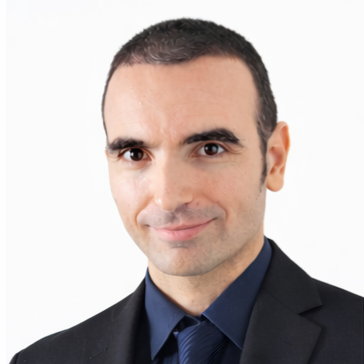
CLAUDIO LA ROSA
Claudio La Rosa lavora da oltre 20 anni come traduttore finanziario e da oltre 15 anni è docente di traduzione economica e finanziaria (verso l’italiano), nonché di Finanza (in inglese), presso l'Università di Ginevra. Ha lavorato per diversi anni per varie società finanziarie (occupandosi principalmente della clientela istituzionale italiana) e ha seguito una formazione per analisti finanziari.
Ha presentato workshop per l’Università estiva della traduzione finanziaria sin dal 2011 (tra i temi affrontati: Basilea 3, UCITS 4, gestione di portafoglio, strumenti derivati, indicatori economici e obbligazioni) e dal 2013 è membro del Comitato scientifico.
Nel 2012, in una collaborazione tra l’ASTTI e l’Università di Ginevra, ha creato il “Corso di finanza per traduttori italofoni” e negli anni successivi ha dato il corso "Finance for translators" all’Università di Ginevra e presso varie istituzioni europee (Commissione UE, BCE ecc.) nonché banche tra il 2014 e il 2019. La versione italiana è inoltre stata data ancora nel 2020-2021 per le istituzioni europee e nel 2024 per l’Università di Ginevra.
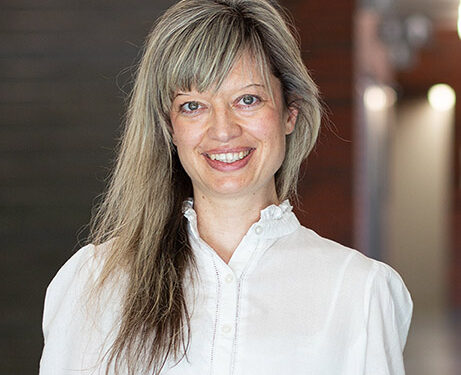
CAROLINE LEHR
Caroline Lehr is Professor of Translation Studies at the Institute of Multilingual Communication at Zurich University of Applied Sciences (ZHAW). She teaches in both the BA and MA programmes and also has a leading role in curriculum development. Her main research interests include future skills in the language professions, emerging professional profiles in the language industry, and AI literacy in multilingual communication.
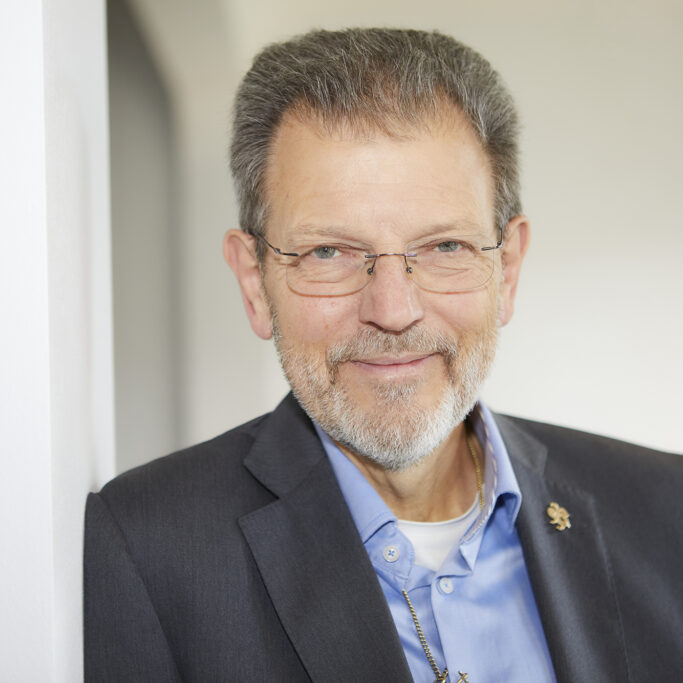
RALF LEMSTER
Ralf spent ten years in international investment banking with Dresdner Bank AG, with a focus on sales and trading in a wide variety of fixed income, equity and FX products. During a four-year stint in London, the opportunity to pursue something that fascinated him naturally arose: in 1994, he began carrying out high-quality specialist translation work, using a proven ability with languages in combination with his financial markets experience. And thus the idea of providing such a service – from a professional, for professionals – was born.
In 1997, Ralf became a sworn translator for the English language, and has worked on a fully independent basis ever since. He is a member of the German Federal Association of Interpreters and Translators (BDÜ), and has served as a BDÜ Vice-President from 2011 to 2023.
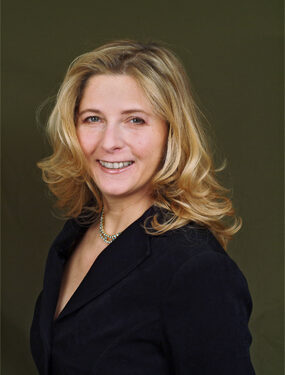
BEATRICE LO NIGRO
Traduttrice, revisore e post-editor italo-svizzera con combinazione EN-DE-FR-ES ->IT. Dopo una laurea in lingue e letterature straniere a Trieste, ha continuato a perfezionarsi in varie discipline in ambito economico e finanziario, culminanti in un MBA in gestione alberghiera e in un diploma di agente immobiliario. Ha lavorato al servizio linguistico della Posta Svizzera a Berna e all’Ufficio federale di statistica a Neuchâtel, prima di assumere l’incarico di docente a contratto alla Facoltà di traduzione e interpretazione FTI di Ginevra. Materie insegnate: traduzione economica e finanziaria DE-IT, ESP-IT, Metodologia DE-IT, Traduzione e post-edizione DE-IT, ESP-IT, FR-IT.
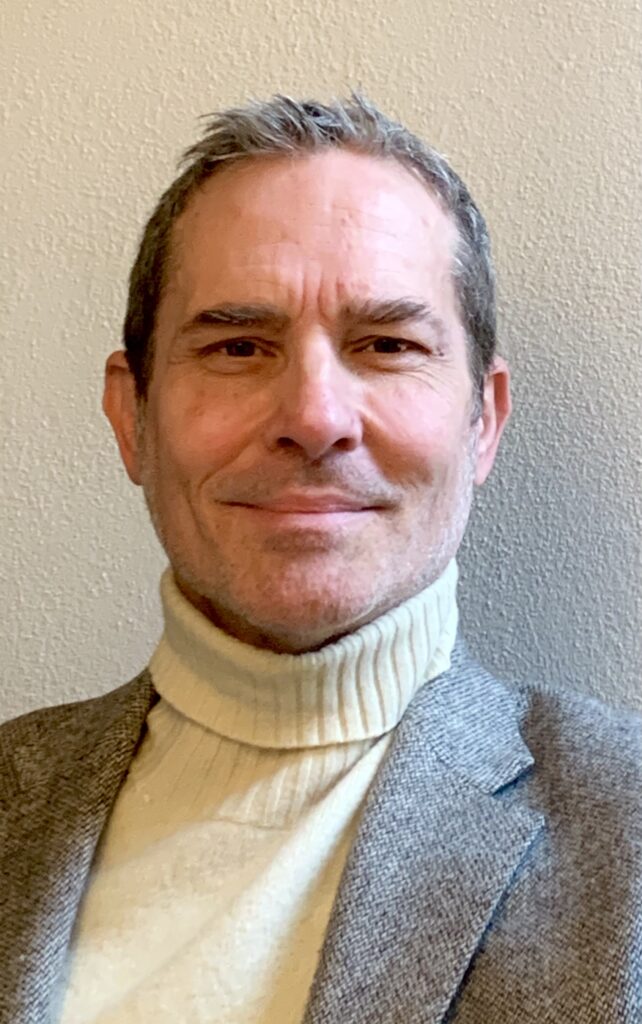
GIANLUCA MANCA
Gianluca Manca has been a pioneer in sustainable finance since the late 1990s, starting as the manager of Italy’s first and largest ethical fund. He represented the Intesa Sanpaolo Banking Group for 15 years at UNEPFI, where he co-chaired the Asset Management Working Group, chaired the Investment Commission, and served as Treasurer. Currently, he advises the European Banking Federation (EBF) as their Strategic Sustainability Expert and is a member of the Ecolabel Board (EU Commission DG ENV). Previously, he was Head of Sustainability at Eurizon Capital, part of the Intesa Sanpaolo Group.
Since 2017, Gianluca has been an academic fellow, lecturer, and head of the ESG Business Simulation at SDA Bocconi’s Executive Master in Finance program. For a decade, since 2010, he was also named an honorary fellow in economic sustainability by the Catholic University of Milan. In 2023, he began collaborating with Bocconi University as a researcher, focusing on financial education and sustainability, while developing practical reporting tools for corporations, with a focus on SMEs.
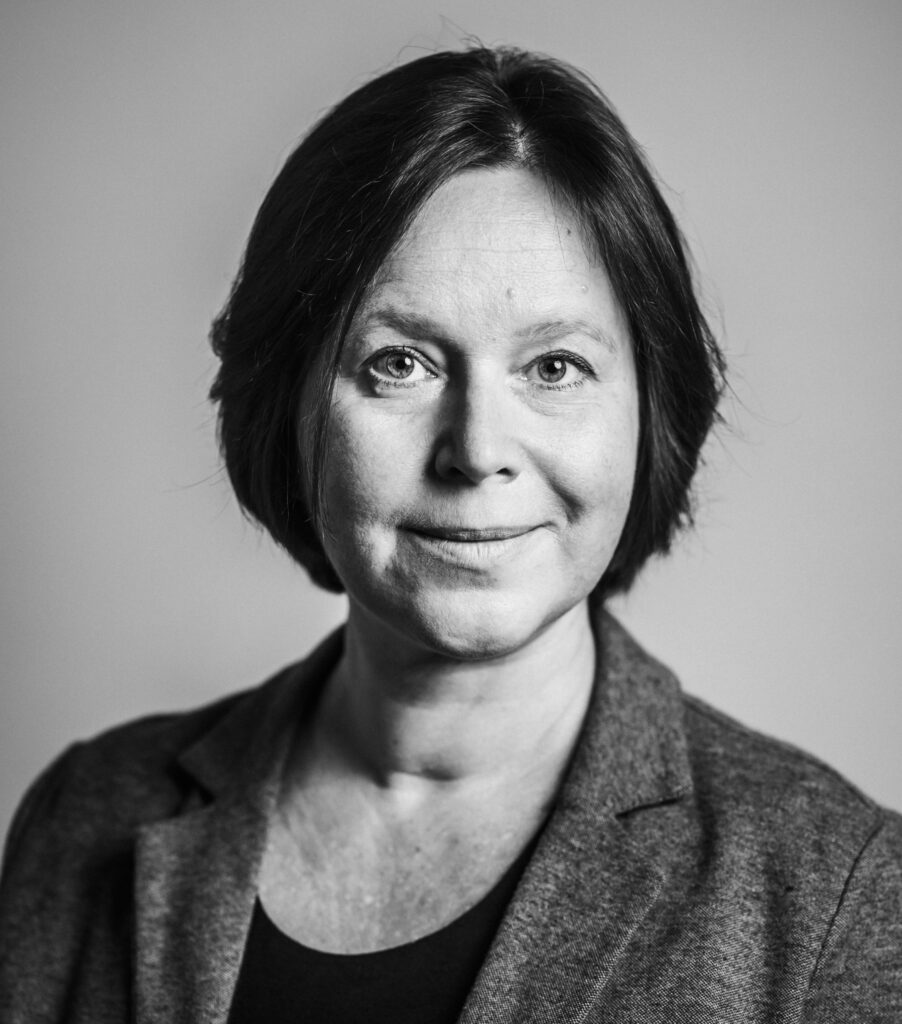
KATARINA ROHSMANN
Katarina Rohsmann (Lawyer-linguist, de iure language services e.U.) is a freelance translator and interpreter based in Vienna, Austria. She holds degrees in law, political science and translation and worked for over a decade as legal counsel before specialising in legal translation and public service interpretation. Her working languages are German, English, French and Italian. She is a board member of the Austrian Interpreters' and Translators' Association UNIVERSITAS Austria.

MICHAEL SCHUBERT
Michael Schubert is an ATA-certified German-to-English translator providing premium translation, transcreation, and copywriting services with an exclusive focus on corporate communications for the software and logistics industries.
From 2016 to 2024, he was also an Adjunct Professor for German-to-English translation at the Middlebury Institute of International Studies at Monterey. Michael is a native Californian who lived and worked for long periods in Germany and San Francisco before relocating to Paris in 2024.
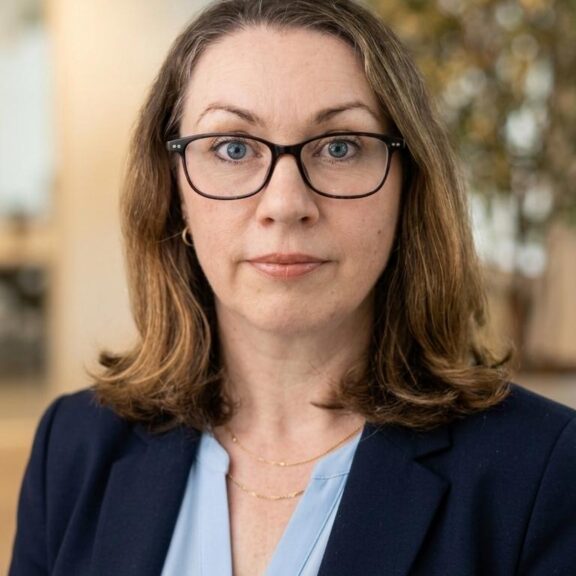
SUSAN WALTERS
Susan Walters currently works as a Reviser in the English Translation Section of the World Trade Organization (WTO). In addition, she teaches the Spanish to English legal and institutional, and economic and financial translation modules of the Master’s programme at the University of Geneva (UNIGE). With nearly 20 years of experience working for international organizations, she upholds the highest translation and linguistic standards, working on a wide range of documents covering economic, financial, legal and political topics. Prior to joining the WTO in December 2020, she worked as a translator at the United Nations Offices in Geneva, New York and Santiago, Chile, for over 10 years. She also worked for four years as a bilingual assistant at the Council of Europe in Strasbourg, France, before gaining an MA in Interpretation and Translation from the University of Bath, UK, in 2007.
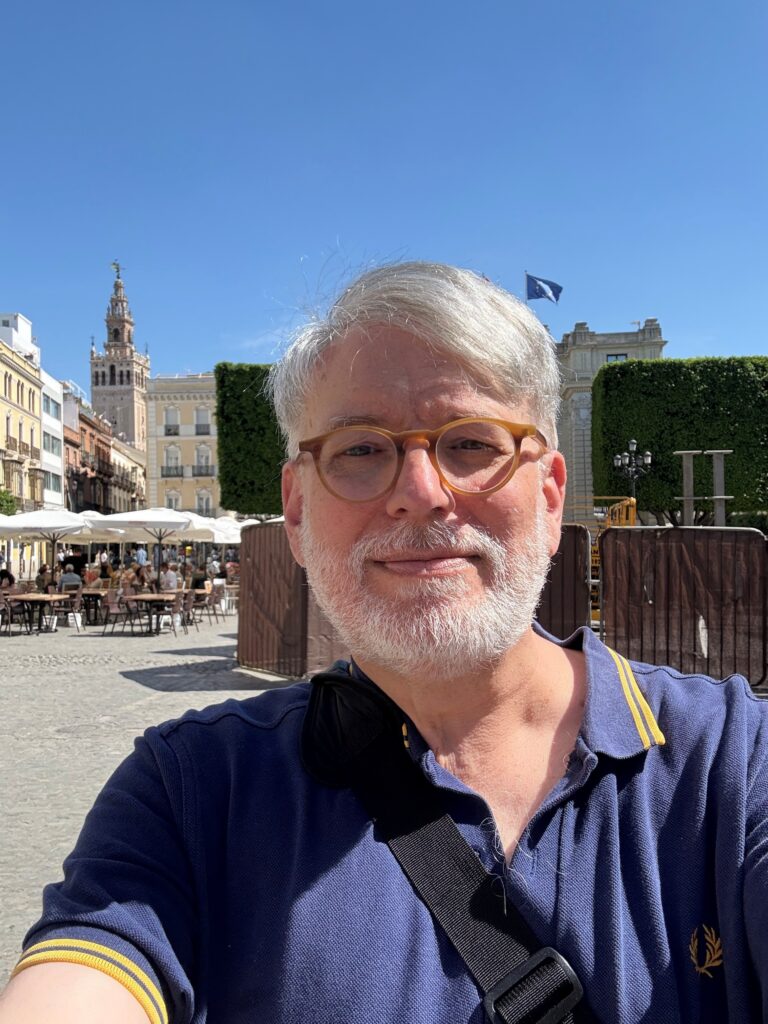
THOMAS WEST
Thomas West received his law degree (Juris Doctor) from the University of Virginia and was admitted to the State Bar of Georgia in 1990. He practiced law for five years before starting a translation firm specializing in legal translation. He has taught legal translation at three universities in the United States and given presentations on law, legal language and translation at venues ranging from Buenos Aires to Johannesburg in the South and Stockholm, Amsterdam, Brussels, Paris and Luxembourg in the North, and throughout the United States. He holds an undergraduate degree in French, a master’s degree in German, and ATA certification for translation from French, Spanish, German and Dutch into English. He is the author of several legal dictionaries, including a trilingual dictionary of Swiss law, and served as president of the American Translators Association in the early 2000s. He now resides in the Netherlands.
POSTERS & STUDENTS
Shape Your Future: Learn, Connect, Grow!
Save with the Student Fee.
As in every edition, the FTSC invites university students to participate in the event by offering them a very special rate.
If you are willing to present one of the subjects you have worked on during your studies, your participation on Wednesday 1 July 2026, is free (CHF 120 per day).
All you need to do is prepare an A1 poster illustrating your research project in the field of financial translation/communication and present it on Wednesday to our participants.
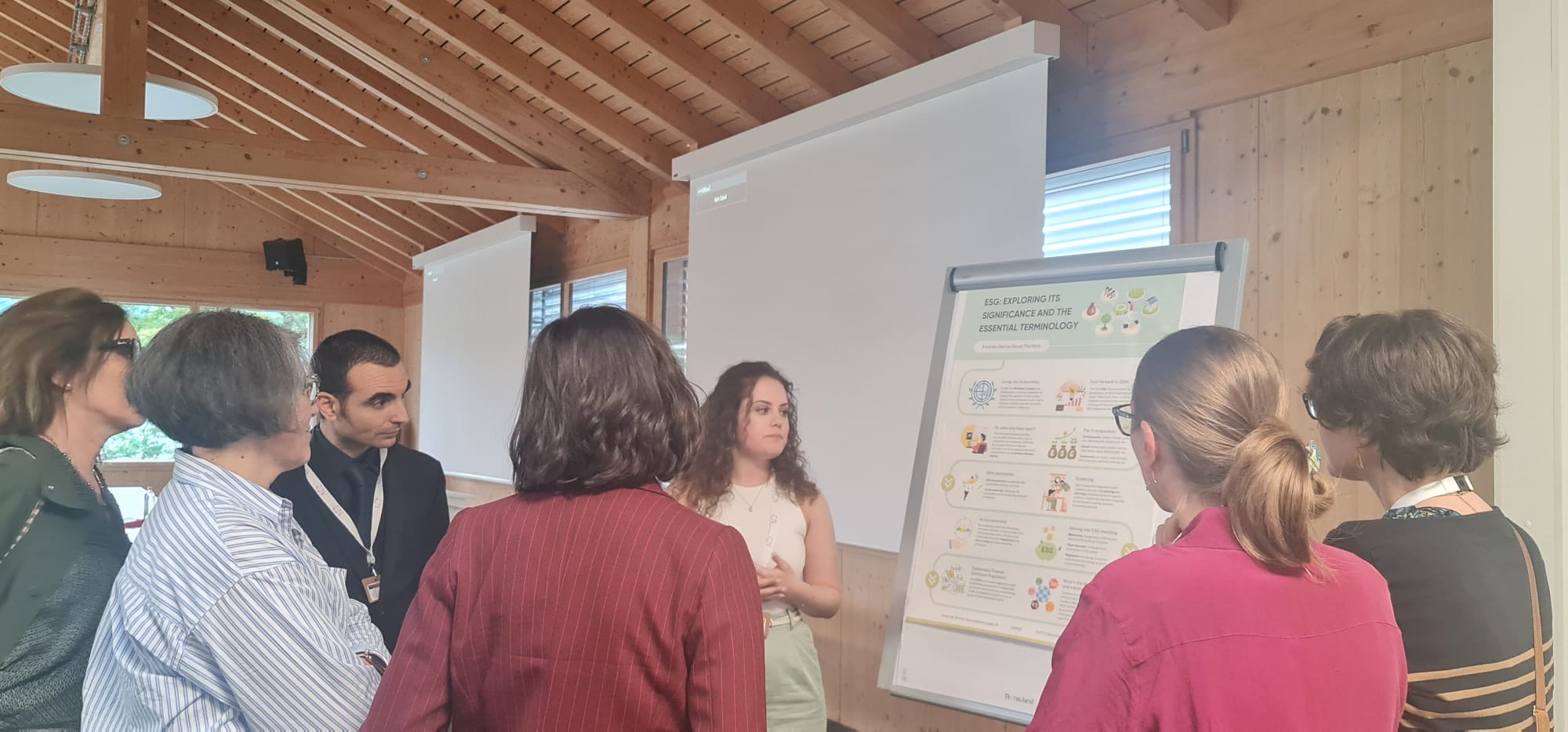
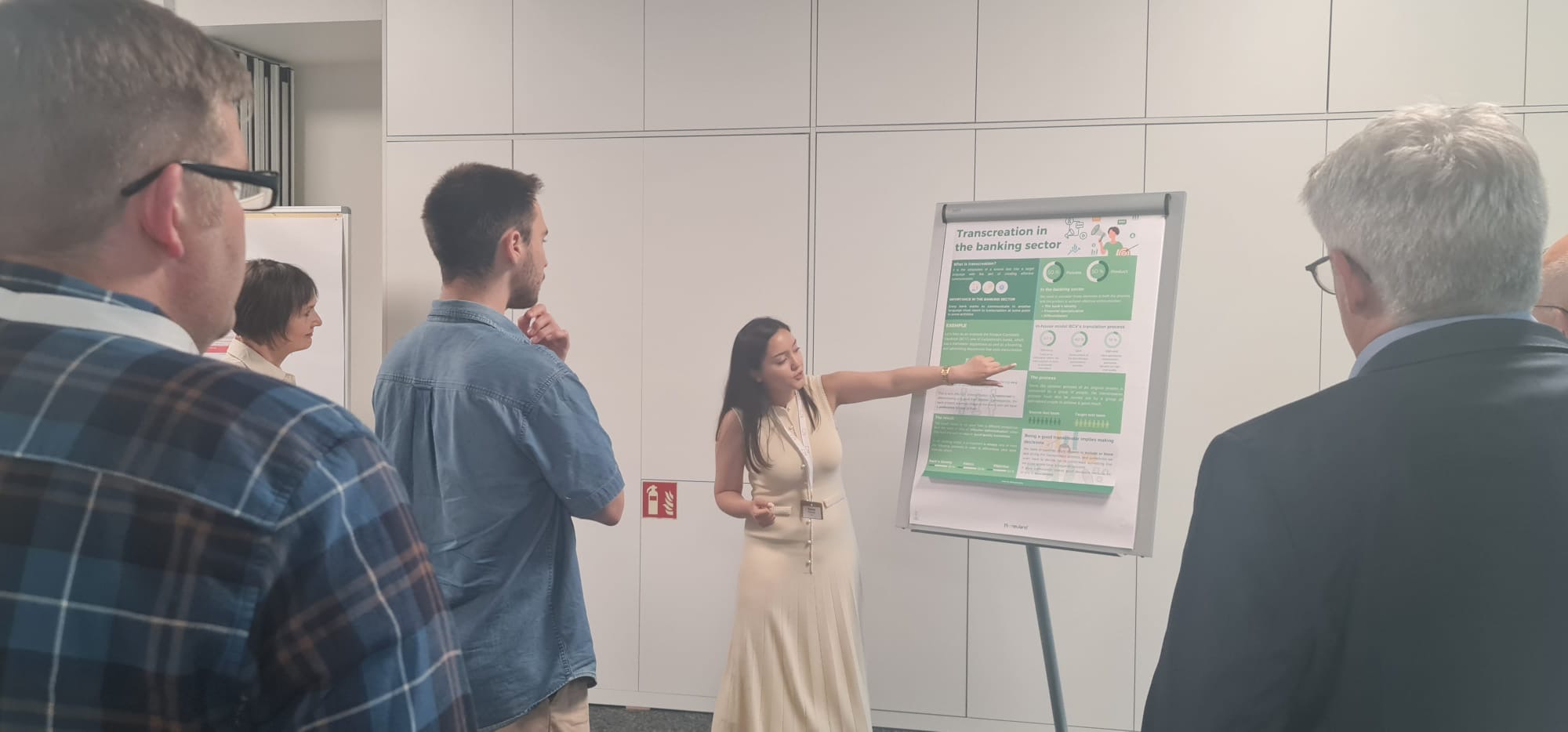
Students interested in presenting a poster need to confirm their interest in by 31 May 2026 and submit the poster draft for validation by 19 June 2026.
VENUE & ACCOMMODATION
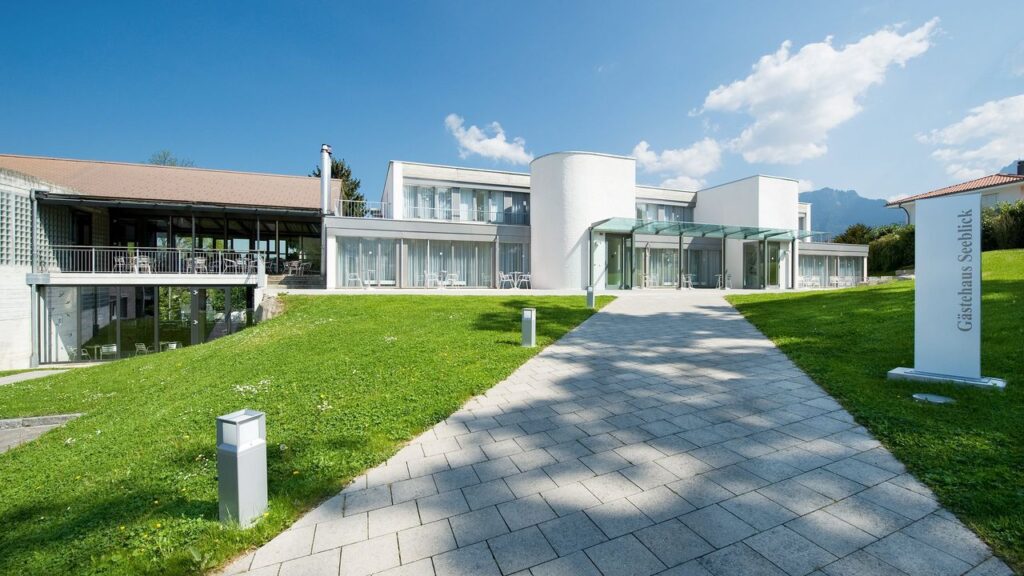
Switzerland, Spiez, Lake Thun
& Hotel Seaside
For ASTTI and the regular participants of its biannual conference in Spiez, the event represents a happy blend of tradition and the natural beauty of the Swiss landscape.
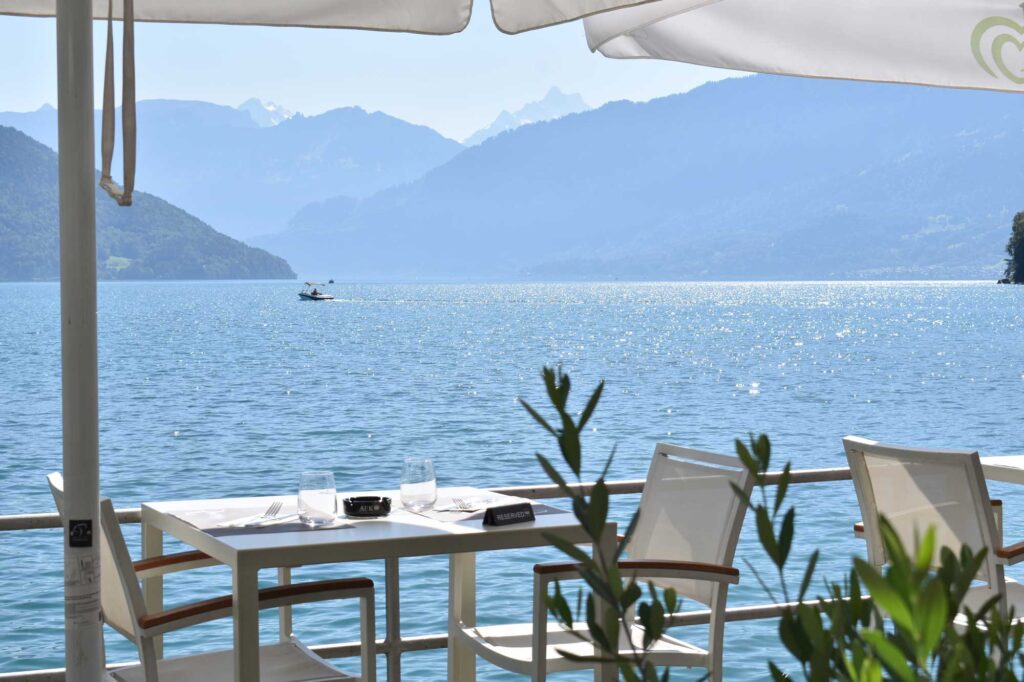
This year marks the ninth time the ASTTI Financial Translation Summer Conference hes been held in a truly memorable setting on the shores of Lake Thun.
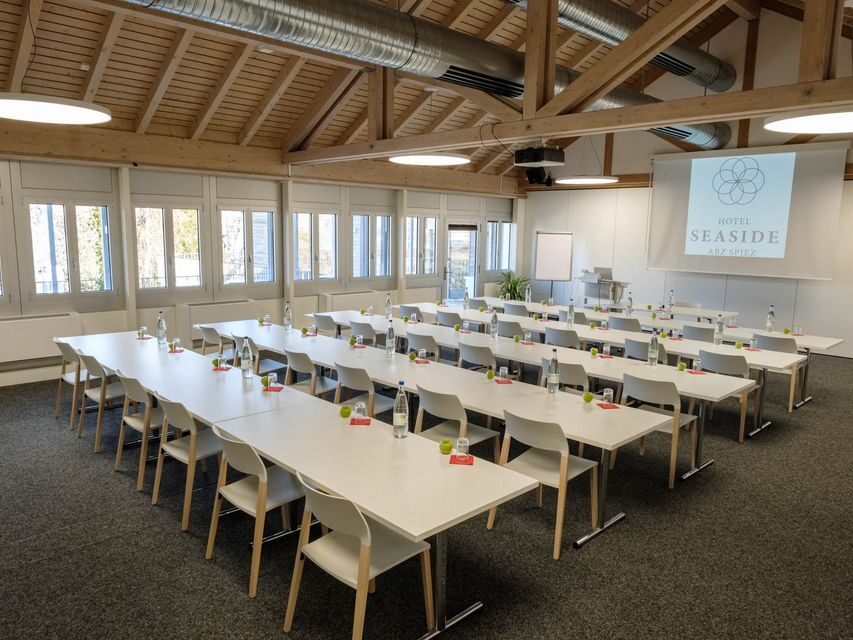
Hotel Seaside was named one of Switzerland’s best conference venues at the Swiss Location Awards 2025. It offers bright, sunlit conference rooms, on-site parking (both covered and open-air), catering services, and comfortable accommodation.
We wish you
a happy stay!
Hotel Seaside
Schachenstrasse 43
3700 Spiez
Switzerland
T. +41 33 650 81 81
F. +41 33 654 41 94
info@hotel-seaside.ch
The working group has secured a contingent of single and double rooms for conference participants.
Single room CHF 155∗
Double room CHF 125∗
∗ breakfast included
If you would like to stay at Hotel Seaside, please contact the hotel reception directly.

DINING
WEDNESDAY
1 July 2026
7 pm
Welcome Dinner
MENU
Meat (menu 1)
Green salad
Roast pork with rosemary juice,
mashed potatoes, and carrots
Homemade tiramisu
Fish (menu 2)
Green salad
Pike-perch fillet with lemon sauce,
white wine risotto, and vegetables
Homemade tiramisu
Vegan (menu 3)
Green salad
Ravioli filled with ricotta
and spinach tossed in sage butter
Homemade tiramisu
Drinks included
1 glass of Prosecco, water and coffee
2 glasses of wine
Ristorante & Pizzeria
Riviera by Elio
Seestrasse 67
3700 Spiez
+41 33 650 91 91
office@riviera-spiez.ch
THURSDAY
2 July 2026
6.30 pm
Gala
Dinner

MENU
Meat (menu 1)
Iceberg lettuce, yogurt-lime dressing, herb croutons, Hobelkäse (Swiss cheese)
Curry masala made with Swiss beef, basmati rice, sesame carrots
Panna cotta, cherry sauce, chocolate crumbs
Vegan (menu 2)
Iceberg lettuce, yogurt-lime dressing, herb croutons, vegan cheese
Baked sweet potato, New Roots sour cream, pomegranate, leek, olive (vegan)
Panna cotta, cherry sauce, chocolate crumbs
Drinks included
1 glass of Prosecco, water and coffee,
2 glasses of wine or beer
Hotel Eden
Seestrasse 58
3700 Spiez
T. +41 33 655 99 00
empfang@eden-spiez.ch
REGISTRATION
Join us for three days of presentations and workshops designed to help you take your language services to the next level, whether you work on staff as a linguist or run your own business.
Explore key skills including communication, marketing and language consulting. Our topics will as always cover finance in depth. This year we’ll be looking at the latest happenings in the digital asset space: stablecoins, cyberassets and the associated risks. As in 2024, sustainability takes pride of place. This includes a deep drive into the EU Omnibus package and how this will impact the CSRD and sustainability reporting requirements.
Deadline for registration: 15 June 2026
Early bird deadline: 30 April 2026
If you are a member∗ of ASTTI and/or an ASTTI sister association (e.g. an association part of FIT), you are entitled to a preferential rate. When registering, please complete your MEMBERSHIP details, indicating the name of your association and your membership number. By completing this information, you authorise us to check on the status of your membership with said association.
All registration fees respectively include:
- Three-course lunch with a wide variety of food options
- Three coffee breaks with refreshments
- Individual, coded access to presentations and workshop materials after the event
- Conference goodies
The payment is made via a QR-bill.
When paying in EUR, please ensure that the amount corresponds to the EUR price marked alongside the CHF amount.
Any discrepancies will be charged for on-site.
Member∗
1-day ticket
Regular price — CHF 550 (EUR 605)
Early bird price — CHF 450 (EUR 495)
3-day ticket
Regular price — CHF 1,400 (EUR 1,540)
Early bird price — CHF 1,150 (EUR 1,265)
Non-member
1-day ticket
Regular price — CHF 650 (EUR 715)
Early bird price — CHF 550 (EUR 605)
3-day ticket
Regular price — CHF 1,700 (EUR 1,870)
Early bird price — CHF 1,400 (EUR 1,540)
Student
1-day ticket
Student member∗ — CHF 100 (EUR 110)
Student non-member — CHF 120 (EUR 130)
3-day ticket
Student member∗ — CHF 250 (EUR 275)
Student non-member — CHF 300 (EUR 330)
Dining
Wednesday, 1 July
Price per person — CHF 90 (EUR 99)
All experts and participants are kindly asked
to reserve their evening meals at their expense.
Thursday, 2 July
Price per person — CHF 120 (EUR 132)
All experts and participants are kindly asked
to reserve their evening meals at their expense.
EARLY BIRD
Take advantage
of the early bird offer.
Don’t miss it!
1-30 April 2026
early bird offer
If you are a member∗ of ASTTI and/or an ASTTI sister association (e.g. an association part of FIT), you are entitled to a preferential rate. When registering, please complete your MEMBERSHIP details, indicating the name of your association and your membership number. By completing this information, you authorise us to check on the status of your membership with said association.
The payment is made via a QR-bill.
When paying in EUR, please ensure that the amount corresponds to the EUR price marked alongside the CHF amount.
Any discrepancies will be charged for on-site.

WEDNESDAY
1 July 2026
Conference
Day 1
Member∗
CHF 450 (EUR 495)
Non-member
CHF 550 (EUR 605)
Student member∗
CHF 100 (EUR 110)
Student non-member
CHF 120 (EUR 130)

THURSDAY
2 July 2026
Conference
Day 2
Member∗
CHF 450 (EUR 495)
Non-member
CHF 550 (EUR 605)
Student member∗
CHF 100 (EUR 110)
Student non-member
CHF 120 (EUR 130)
Conference
Day 3
Member∗
CHF 450 (EUR 495)
Non-member
CHF 550 (EUR 605)
Student member∗
CHF 100 (EUR 110)
Student non-member
CHF 120 (EUR 130)

FRIDAY
3 July 2026
Conference
Days 1-3
Member
CHF 1,150 (EUR 1,265)
Non-member∗
CHF 1,400 (EUR 1,540)
Student member∗
CHF 250 (EUR 275)
Student non-member
CHF 300 (EUR 330)

WEDNESDAY-FRIDAY
1-3 July 2026

WEDNESDAY
1 July 2026
Welcome
Dinner
Riviera by Elio
beside the lake
3-course meal
CHF 90 (EUR 99)∗
∗ Selected drinks included

THURSDAY
2 July 2026
Gala
Dinner
Hotel Eden
with piano music
3-course meal
CHF 120 (EUR 132)∗
∗ Selected drinks included
REGISTRATION, PAYMENT & CANCELLATION CONDITIONS
General information
Event Name: Financial Translation Summer Conference – FTSC 2026
Date and venue: 1-3 July 2026, Hotel Seaside, Spiez, Switzerland
Organizer: ASTTI
Registration and payment conditions
- Registration for the FTSC 2026 as well as the purchase of the proposed services are made through the ASTTI website.
- The payment of the registration fee is made via a QR-bill.
- As a Member∗ of ASTTI and/or an ASTTI sister association (e.g. an association part of FIT), you are entitled to a preferential rate. When registering, please complete your MEMBERSHIP details, indicating the name of your association and your membership number. By completing this information, you authorise us to check on the status of your membership with said association.
- When paying in EUR, please ensure that the amount corresponds to the EUR price marked alongside the CHF amount. Any discrepancies will be charged for on-site.
- The FTSC 2025 aims to foster networking and exchanges between experts and participants. For this purpose, the list of experts and participants with their contact details will be made available by means of password-protected access. Any objection must be reported in writing to ftsc@astti.ch by 31 May 2026.
- By registering, you agree that the organizers can make video and audio recordings as well as photographs of the event, and use them for promotional purposes (website, LinkedIn, newsletters, etc.).
- The validation of your order constitutes acceptance of the present registration, payment and cancellation conditions.
Disclaimer
In case of cancellation of the FTSC 2026 due to an insufficient number of participants, a full refund of the registration fee will be made to any registered person. Any additional costs, such as transport and accommodation costs, will not be refunded.
Cancellation conditions
Any cancellation must be communicated in writing to ftsc@astti.ch no later than 31 May 2026.
Any cancellation is subject to a cancellation fee of CHF 50.
After the deadline of 31 May 2025, the registrations are deemed final and will not be subject to any refund, even in the event of a no-show. Exceptions include impediments for justified medical reasons (medical certificate required) and cases of force majeure (e.g. natural disasters).
Governing law and place of jurisdiction
The present registration, payment and cancellation conditions are subject to Swiss law.
The place of jurisdiction for any dispute is Fribourg.
Fribourg, 01 April 2026
WORKING GROUP
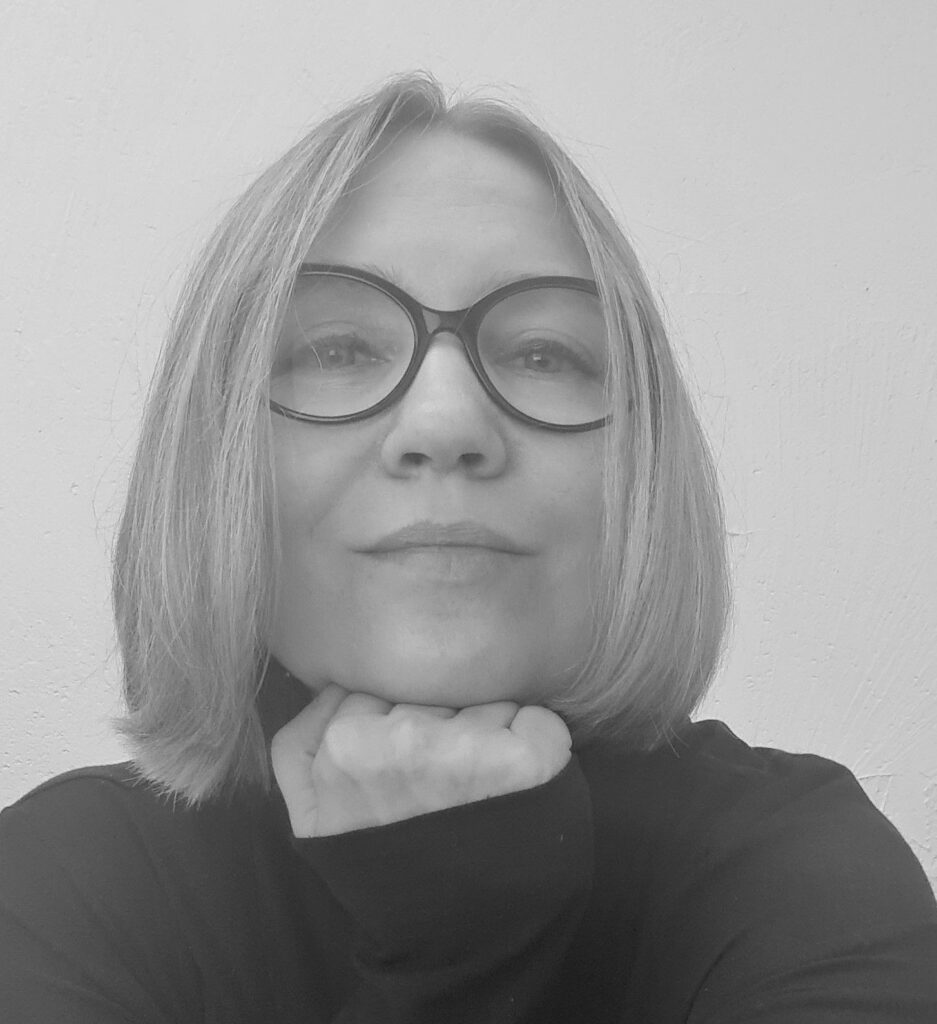
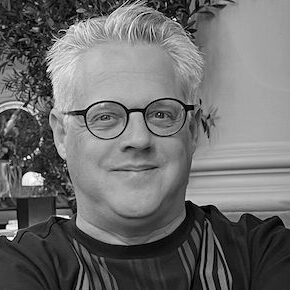
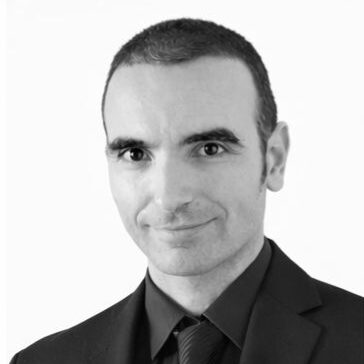
Beata Marchand
Working Group Chair
Beata étudie à l’Université de Varsovie et après avoir suivi un programme doctoral en archéologie, elle poursuit avec les sciences de l’information et de bibliothéconomie. Engagée en qualité de chercheuse en Pologne, en Égypte et en France, elle traduit des textes scientifiques et de vulgarisation.
Au fil du temps, elle enrichit son bagage au contact des agences européennes et mondiales et se spécialise dans le domaine des brevets, de la recherche scientifique et de la communication technique. Elle exerce depuis une vingtaine d’années au service de différentes industries.
Après un diplôme de traductrice à la ZHAW, elle enchaîne les formations post-grade à la ZHAW et à la FTI UNI-GE. Elle est affiliée à plusieurs associations : ASTTI, tecom, Swiss Label et Archéologie Suisse.
Michael Dever
Michael has been translating (and occasionally interpreting) since 1998. He specialised in finance by a happy accident and hasn’t looked back. He spent eight years as a staff translator at an investment bank in Paris before starting his own business in Switzerland.
His clients include banks of all kinds, from cantonal banks to wealth managers and commodity trade financiers, insurers, investor relations officers and communications departments.
Claudio La Rosa
Claudio La Rosa lavora da oltre 20 anni come traduttore finanziario e da oltre 15 anni è docente di traduzione economica e finanziaria (verso l’italiano), nonché di Finanza (in inglese), presso l'Università di Ginevra. Ha lavorato per diversi anni per varie società finanziarie (occupandosi principalmente della clientela istituzionale italiana) e ha seguito una formazione per analisti finanziari.
Ha presentato workshop per l’Università estiva della traduzione finanziaria sin dal 2011 (tra i temi affrontati: Basilea 3, UCITS 4, gestione di portafoglio, strumenti derivati, indicatori economici e obbligazioni) e dal 2013 è membro del Comitato scientifico.
Nel 2012, in una collaborazione tra l’ASTTI e l’Università di Ginevra, ha creato il “Corso di finanza per traduttori italofoni” e negli anni successivi ha dato il corso "Finance for translators" all’Università di Ginevra e presso varie istituzioni europee (Commissione UE, BCE ecc.) nonché banche tra il 2014 e il 2019. La versione italiana è inoltre stata data ancora nel 2020-2021 per le istituzioni europee e nel 2024 per l’Università di Ginevra.
DOWNLOADS
Programme
Abstracts
Experts
Registration, payment and cancellation conditions (EN)
Conditions d’inscription, de payement et d’annulation (FR)
CONTACT
ftsc@astti.ch
Photo credits: gratisography